Project Overview
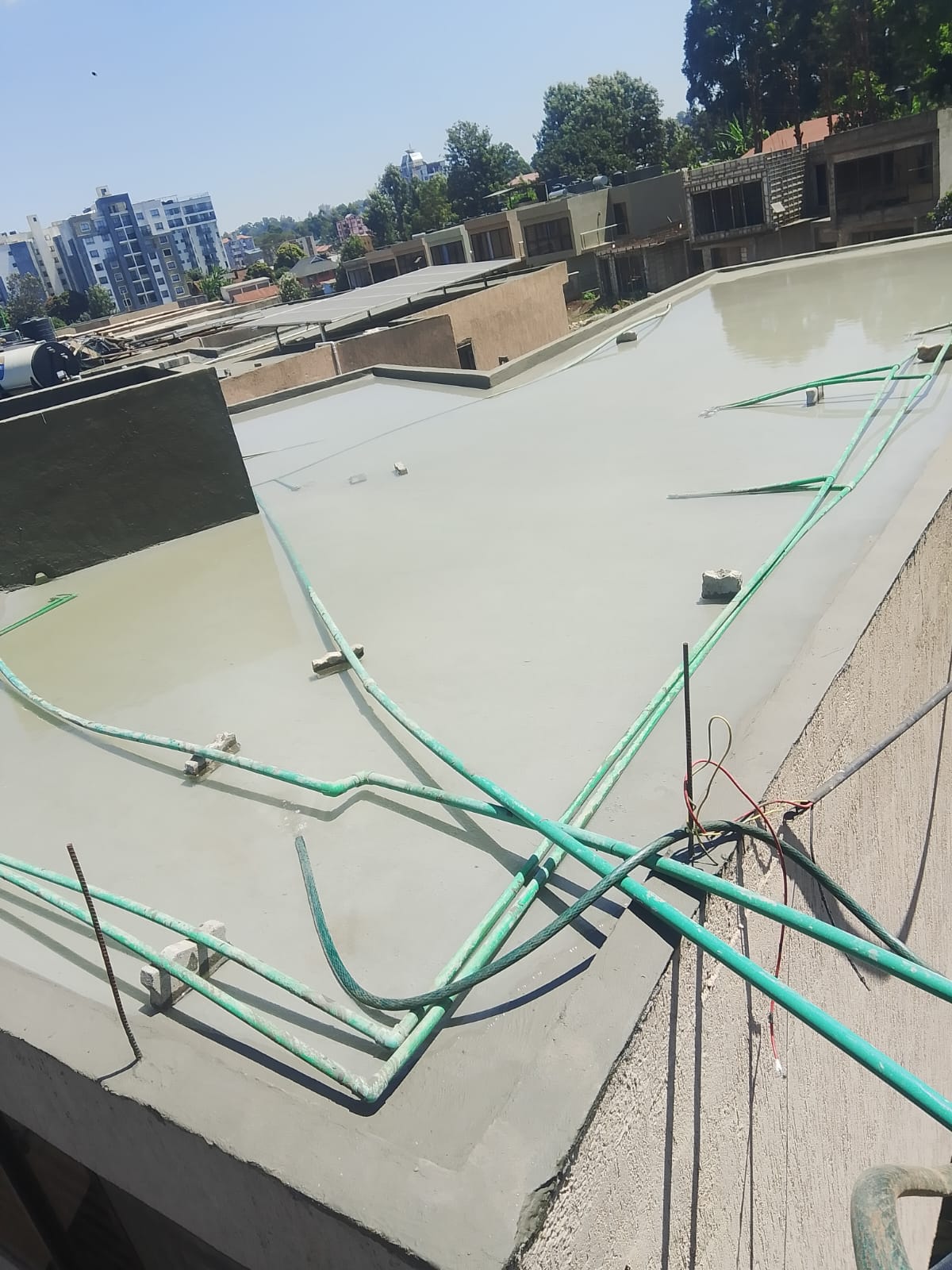
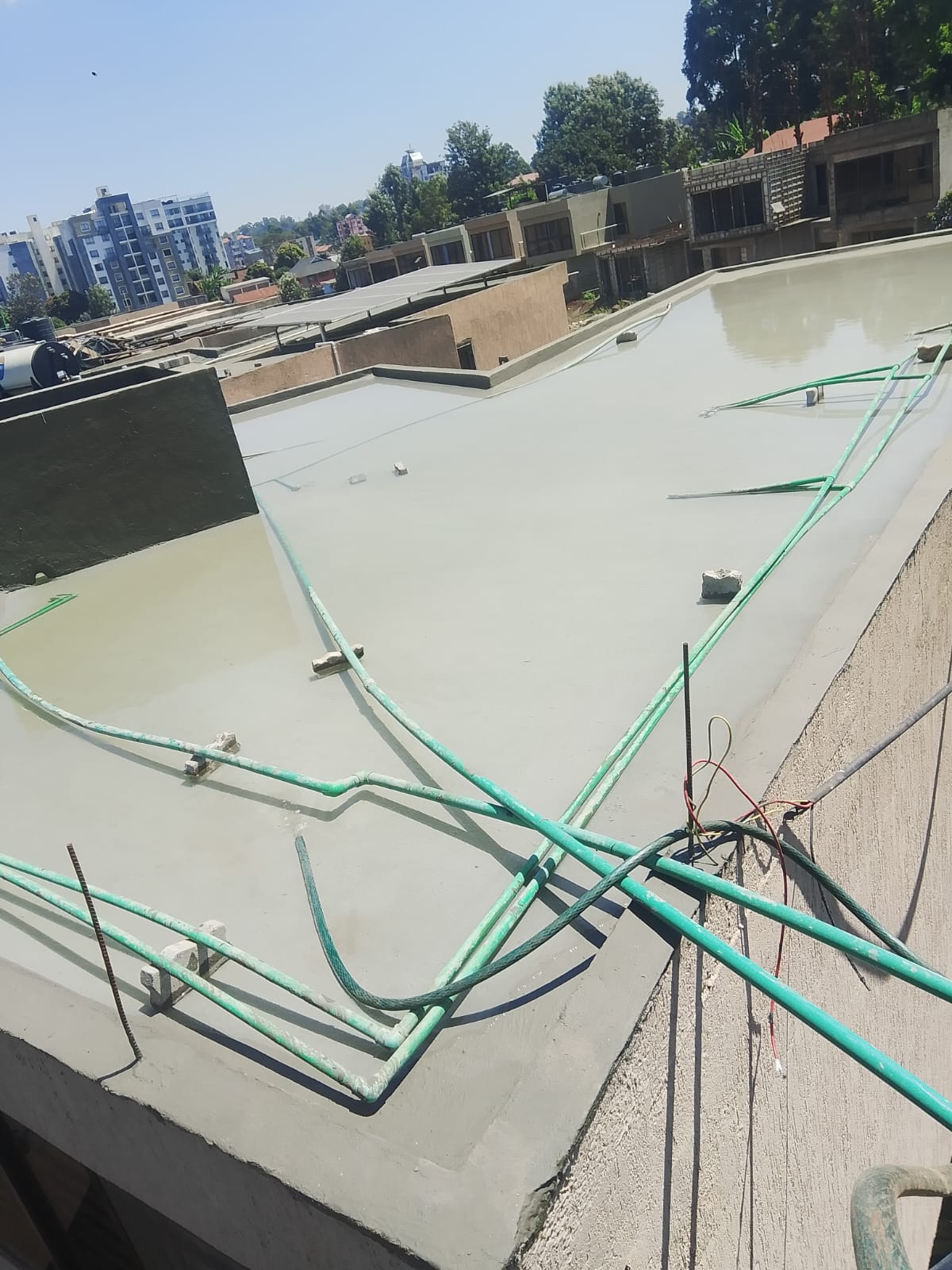
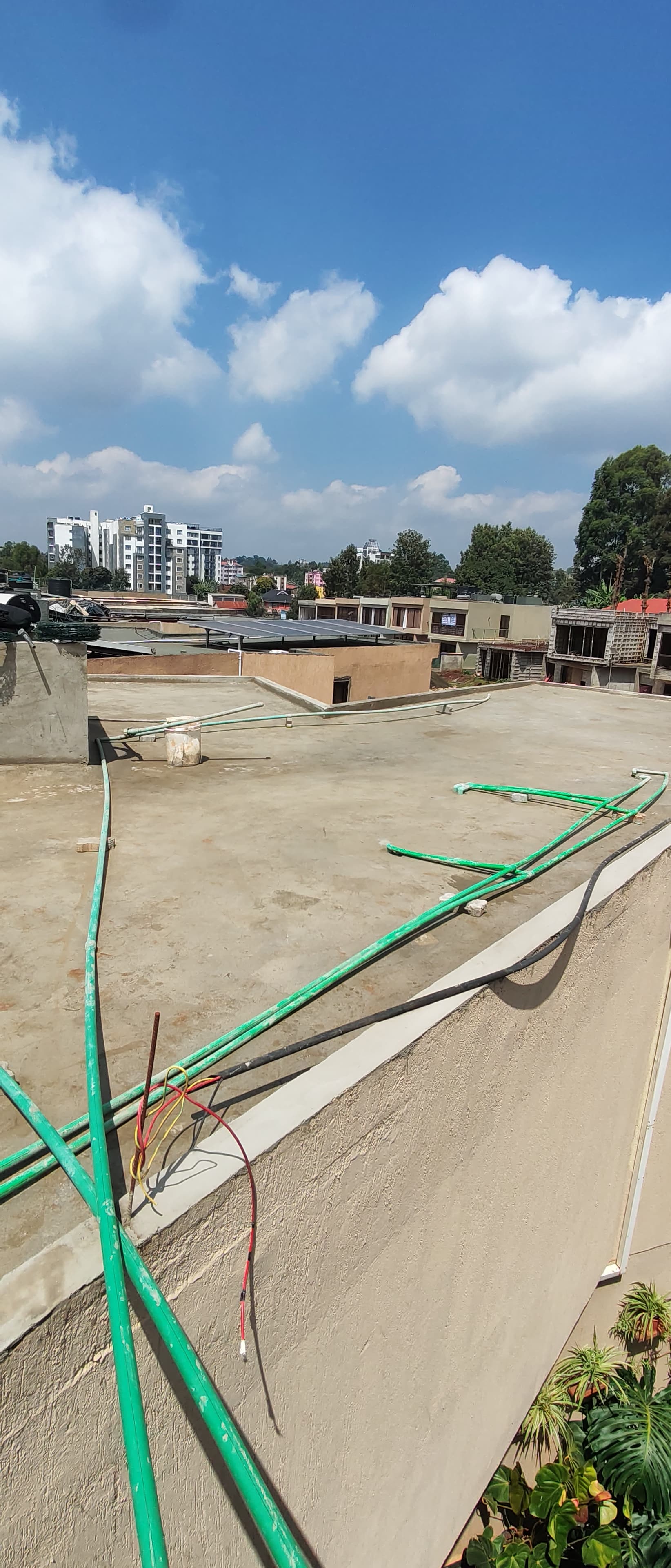
This case study covers a complete flat roof waterproofing Kenya project carried out by Phemat Solutions Ltd in Nairobi. The client reported persistent leaks and damp patches on the ceiling of the top floor, especially during the heavy rains. Our team was called in to provide a lasting solution.
We inspected the entire roof and terrace, identified the weak points, and recommended a system-based approach. The goal was to stop all water ingress and protect the building for years to come.
Background and Objectives
The building is a residential apartment block in Lower Kabete, Nairobi, with a large flat roof and an open terrace. The roof had been patched several times before, but the leaks kept coming back. The client wanted a permanent fix, not just another temporary patch.
Our main objective was to create a seamless, durable waterproof barrier that could withstand Nairobi's tropical rains and daily foot traffic on the terrace. We also wanted to improve drainage to prevent standing water, which is a common cause of roof damage.
Why Flat Roofs Need Special Care
Flat roofs are common in Kenya, especially in commercial buildings and modern homes. They are more prone to water pooling than sloped roofs, which puts extra stress on the waterproofing layer. Over time, UV rays, temperature changes, and foot traffic can cause cracks and blisters.
That is why we recommend professional flat roof repair Kenya services at the first sign of trouble. Early action can save you from costly structural damage and interior repairs.
Our Waterproofing Solutions
For this project, we used two main systems: flexible cementitious membrane waterproofing and polyurethane (PU) liquid membrane waterproofing. Each was chosen for its specific strengths and the area it was applied to.
Flexible Cementitious Membrane
This system is ideal for concrete roofs, balconies, and terraces that will later be covered with tiles or screed. It is a cement-based coating that forms a rigid but flexible barrier. It bonds well to concrete and is easy to apply.
We used it on the main roof areas where the client planned to install tiles. It provides a solid base and excellent waterproofing, especially around joints and corners.
PU Liquid Membrane
For exposed areas that needed a seamless, flexible, and weather-resistant finish, we used a PU liquid membrane. This is a liquid coating that cures into a rubber-like layer. It has high elongation, meaning it can stretch and move with the building without cracking.
It also has UV protection, so it can be left exposed to the sun without degrading. This made it perfect for the terrace and parapet walls.
Step-by-Step Process
Our process is thorough and follows industry best practices. Here is what we did for this project:
Roof inspection: We started with a detailed inspection of the entire roof and terrace. We used moisture meters to detect hidden dampness and identified all vulnerable areas.
Surface preparation: We cleaned the surface thoroughly, removing dirt, loose paint, and old coatings. We also repaired any cracks and holes with a suitable repair mortar.
Crack and joint treatment: We treated all cracks and joints with a flexible sealant or PU grout to ensure they were watertight.
Drainage correction: We checked the slope and drainage outlets. We corrected any low spots where water could pool and cleared blockages.
Membrane application: We applied the chosen membrane system in multiple coats, following the manufacturer's instructions. For the cementitious system, we used a trowel; for the PU system, we used a roller.
Reinforcement: In critical areas like parapet walls and pipe penetrations, we embedded a reinforcing mesh or fabric to add strength.
Curing: We allowed the membrane to cure properly, protecting it from rain and foot traffic during this time.
Inspection and water testing: After curing, we inspected the entire surface and conducted a water test to ensure there were no leaks.
Focus on Vulnerable Areas
We paid special attention to the areas where leaks are most likely to occur. These include:
Parapet walls: The junction between the roof and the parapet is a common leak point. We applied extra layers of membrane and sealed the joint.
Drainage outlets: We ensured that the membrane was properly sealed around the drains to prevent water from seeping underneath.
Pipe penetrations: Any pipes or vents that go through the roof were sealed with a flexible sealant and a collar of membrane.
Construction joints: These are the lines where concrete was poured at different times. They can shrink and crack, so we treated them with a flexible sealant.
Roof-to-wall junctions: Where the roof meets a vertical wall, we applied a fillet of sealant and extended the membrane up the wall.
Why Choose Phemat Solutions?
We are one of the leading terrace waterproofing companies Kenya has, with years of experience and a team of skilled technicians. We use only quality materials from trusted brands, and we follow proper application procedures.
Our workmanship is backed by a 10-year warranty, giving you peace of mind. We also offer competitive flat roof waterproofing cost Kenya rates, ensuring you get value for your money.
If you are looking for roof waterproofing services Kenya, we are your reliable partner. We serve Nairobi, Mombasa, Kisumu, and other regions across East Africa.
Conclusion
This project was completed successfully, and the client has not experienced any leaks since. The roof and terrace are now fully protected, and the building is safe from water damage.
If you have a leaking roof or need waterproofing solutions for flat roofs, contact Phemat Solutions today. We offer free inspections and honest advice. Remember, early intervention can save you from costly repairs later.