
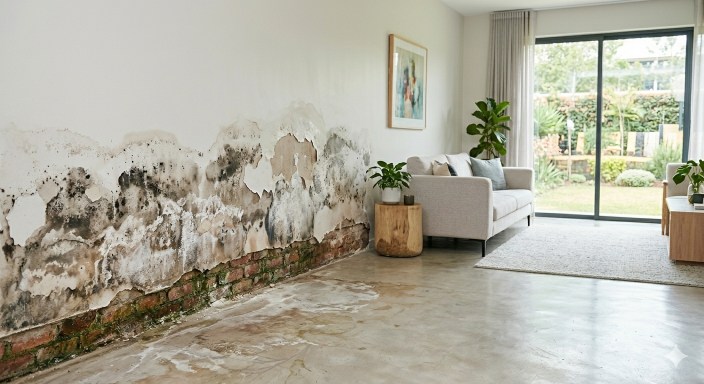
Why Walls Peel in Nairobi: The Science of Rising Damp
Introduction: The Ugly Truth About Peeling Walls in Nairobi
If you live in Nairobi, you've probably seen it: paint bubbling, plaster crumbling, and walls that look like they're shedding skin. This is wall peeling Nairobi, a common sight in homes and offices across the city. But what causes it? The answer often lies underground, in a problem called rising damp Nairobi. In this post, we'll break down the science of rising damp, why it's so common in Kenya, and what you can do about it.
Rising damp is not just an eyesore. It can lead to structural damage, health issues from mold, and decreased property value. Understanding its causes is the first step to protecting your home. Let's dive into the mechanics of this silent destroyer.
What is Rising Damp?
Rising damp is the upward movement of moisture from the ground through the porous materials of a building's walls. Think of it like a sponge sucking water from a wet surface. In buildings, this happens when there is no effective barrier—called a damp-proof course (DPC)—to stop water from traveling up the wall.
In Nairobi, the problem is worsened by our tropical climate and soil conditions. Heavy rains saturate the ground, and red clay soils hold moisture for long periods. This creates a perfect environment for rising damp causes Kenya to thrive.
How Does Rising Damp Work?
Water contains dissolved salts, which are left behind as the moisture evaporates from the wall surface. These salts attract more moisture from the air, creating a cycle of dampness. Over time, the salts crystallize and push paint and plaster off the wall—hence the peeling.
The height of rising damp is usually limited to about 1 meter above ground level, but in severe cases, it can go higher. You'll often see a tide mark on the wall, along with white powdery deposits (efflorescence) and black mold spots.
Why Nairobi Homes Are Prone to Rising Damp
Nairobi's unique geography and construction practices contribute to the prevalence of rising damp. Many older homes were built without a proper DPC, or the DPC has failed over time. Newer constructions may also cut corners, skipping essential construction waterproofing Kenya measures.
Areas like Westlands, Karen, and Syokimau are particularly affected due to high water tables and clay soils. Even in Mombasa, coastal humidity exacerbates the problem. If you're dealing with wall dampness Nairobi, you're not alone—it's a widespread issue.
Signs of Rising Damp in Your Home
How do you know if your peeling walls are caused by rising damp? Look for these telltale signs:
- Peeling paint and wallpaper – especially near the bottom of walls.
- Crumbling plaster – the wall surface becomes soft and powdery.
- White salt deposits – a chalky residue on the wall.
- Mold and mildew – black or green patches, often with a musty smell.
- Rotting skirting boards – wood in contact with damp walls decays.
If you notice any of these, it's time to consider rising damp treatment Kenya options. Ignoring the problem will only make it worse.
The Science Behind the Damage
To understand why rising damp causes so much damage, we need to look at the physics. Water moves through tiny capillaries in brick, stone, or concrete—the same way water rises in a paper towel. This capillary action is driven by surface tension and adhesion.
When water evaporates from the wall surface, it leaves behind salts. These salts are hygroscopic, meaning they attract moisture from the air. This keeps the wall damp even when the ground dries out. The constant wet-dry cycle weakens the wall material, leading to structural issues over time.
In Nairobi's climate, with alternating wet and dry seasons, this cycle is relentless. That's why rising damp solutions Kenya must address both the moisture source and the salt contamination.
Common Misconceptions About Rising Damp
Many homeowners mistake rising damp for other problems, like condensation or plumbing leaks. Here are some myths debunked:
- Myth: Rising damp is just condensation. Condensation forms on cold surfaces, while rising damp comes from the ground. A simple moisture meter test can tell the difference.
- Myth: Painting over damp walls fixes the problem. Paint will only peel again. You must treat the root cause.
- Myth: Rising damp only affects old houses. New builds can suffer too if the DPC is damaged or missing.
Getting a professional assessment is crucial. A waterproofing Nairobi expert can diagnose the issue accurately.
Effective Rising Damp Solutions for Kenyan Homes
Treating rising damp requires a multi-step approach. Here are the most common methods used by professionals in Kenya:
1. Install or Repair a Damp-Proof Course (DPC)
A DPC is a physical or chemical barrier inserted into the wall to stop moisture rising. In older homes, this may involve injecting a silicone-based cream into drilled holes. For new builds, a plastic membrane is laid during construction.
Chemical DPC injection is a popular damp proofing Kenya technique. It's effective and minimally invasive.
2. Improve Drainage and Ground Levels
Water pooling around the foundation is a major cause of rising damp. Ensure that the ground slopes away from the house, and that gutters and downpipes direct water away. In Nairobi, where heavy rains are common, proper drainage is essential.
Raising the ground level above the DPC can also bridge the barrier, so keep soil and mulch at least 150mm below the DPC.
3. Remove Contaminated Plaster
Salts in the plaster will continue to attract moisture even after the DPC is installed. Affected plaster must be removed and replaced with a salt-resistant render. This is a key step in rising damp treatment Kenya.
4. Use Waterproofing Coatings
For internal walls, breathable waterproof coatings can help manage moisture. However, these are not a standalone solution—they work best alongside a DPC.
At Phemat Solutions, we recommend a comprehensive approach that combines these methods for lasting results.
Why Professional Waterproofing Matters
DIY solutions for rising damp often fail because they don't address the full picture. A professional waterproofing Nairobi company like Phemat Solutions has the tools and expertise to:
- Accurately diagnose the type of dampness.
- Select the right DPC system for your wall type.
- Ensure proper installation and aftercare.
- Provide warranties for peace of mind.
We've helped hundreds of homeowners in Nairobi, Mombasa, and beyond restore their walls and protect their properties. Our team uses only high-quality materials and follows industry best practices.
Preventing Rising Damp in New Construction
If you're building a new home, prevention is far cheaper than cure. Insist on a proper DPC during the foundation stage. Use construction waterproofing Kenya standards that include:
- A continuous DPC membrane in walls and floors.
- Waterproofing of below-grade structures like basements.
- Proper drainage around the building.
These measures will save you from costly repairs later. Even in existing homes, retrofitting a DPC is a wise investment.
Conclusion: Take Action Against Rising Damp
Rising damp is a serious problem that affects many Nairobi homes, but it's not unbeatable. By understanding the science behind it and taking the right steps, you can stop wall peeling and protect your property. Whether you need a new DPC, plaster replacement, or drainage improvements, professional help is available.
At Phemat Solutions Ltd, we specialize in rising damp solutions Kenya homeowners trust. Our team is ready to assess your situation and provide a tailored treatment plan. Don't let rising damp ruin your walls—contact us today for a free consultation. Your home deserves the best protection.
⚠️ Structural Safety Warning
Moisture decay spreads under plaster silently!
If you are experiencing any similar wall paint peeling or flat roof trickles discussed in this piece, we recommend running a professional diagnostic. Phemat Solutions provides 100% Free manual site calls inside Nairobi, Mombasa, and surrounding counties.