

Introduction: That Small Crack Could Be a Big Problem
You walk past it every day — a thin crack above a door frame, a diagonal line in the living room wall, or a gap near the foundation. At first, it seems like nothing. But as the weeks pass, the crack grows… and now, you’re wondering if your house is still safe.
In Kenya, cracks in building walls are a common but dangerous issue. From Nairobi to Nakuru, these cracks often signal deeper structural problems caused by soil shifts, poor construction practices, or water damage.
In this article, Phemat Solutions Ltd, your trusted waterproofing and construction partner in Kenya, explains why wall cracks should never be ignored, what causes them, and how we repair them fast and professionally.
The Problem: Cracks Aren’t Just Cosmetic
Many homeowners dismiss wall cracks as harmless — maybe from drying plaster or house settlement. But in reality, certain cracks are early warning signs of:
-
Foundation failure
-
Water infiltration and rising damp
-
Weak construction joints or poor concrete curing
-
Soil movement and seasonal expansion/contraction
In places like Kitengela or Rongai, where clay soils swell during the rainy season and shrink in dry months, structural cracks are very common — especially if the building wasn’t designed with proper foundations or movement joints.
Common types of cracks in Kenyan buildings include:
-
Vertical cracks – May indicate foundation sinking or uplift
-
Diagonal cracks – Often suggest structural stress or shear movement
-
Horizontal cracks – Especially near windows or beams, could point to load issues
-
Stair-step cracks – Often found in masonry walls, signal foundation movement
Ignoring these can lead to massive repair costs, reduced property value, or even collapse in severe cases.
The Professional Solution: How Phemat Solutions Fixes Cracked Walls in Kenya
At Phemat Solutions Ltd, we go beyond surface-level repairs. Our engineers and technicians investigate the root cause of the cracking, then apply the correct long-term fix using globally recognized techniques.
Our 4-Step Wall Crack Repair Process:
-
Structural Assessment
We inspect the building for movement, moisture levels, and load-bearing issues. We use crack gauges and laser levels to monitor severity. -
Crack Classification
We determine whether the crack is:-
Cosmetic (hairline) – fixed with filler and paint
-
Moderate – may require injection or structural stitching
-
Severe – needs full structural reinforcement or underpinning
-
-
Professional Crack Repair
Depending on the type, we apply:-
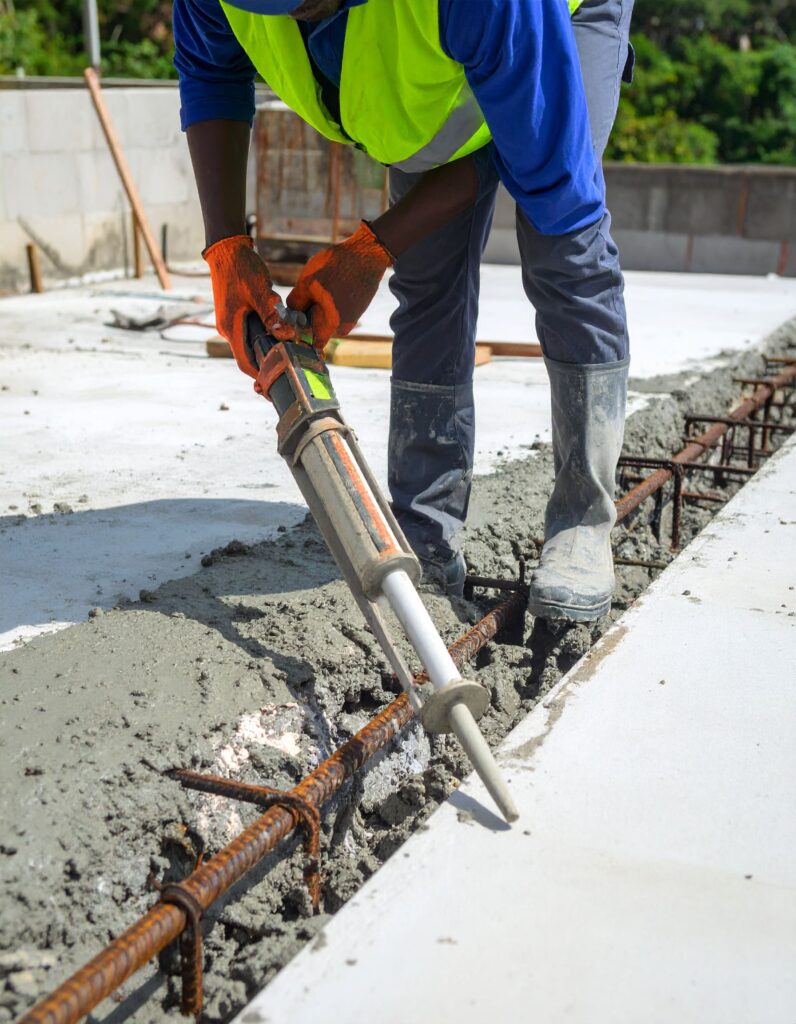
Epoxy or polyurethane injection to seal structural cracks
-
Wall stitching with steel bars for stability
-
Flexible sealants for movement cracks
-
Plaster re-application with anti-salt additives for rising damp cracks
-
-
Prevention & Waterproofing
We correct drainage issues, apply external waterproofing, and improve ventilation or expansion jointing to prevent recurrence.
Tools, Techniques & Expert Tip
We use tools and materials that meet international standards:
-
Hilti crack injection systems
-
Sika Monotop structural mortars
-
Crack stitching bars and epoxy resin kits
-
Digital crack monitoring gauges
🔹 Expert Tip:
“Cracks are often the first sign of building failure. Proper soil testing and construction planning — especially in expanding soils — is critical for long-term structural health.”
— Dr. Moses Mwangi, Structural Engineer, University of Nairobi
Why It Matters: The Cost of Ignoring Wall Cracks
🚨 The Risks of Untreated Wall Cracks:
-
Water Infiltration: Cracks let in rainwater, causing mold, rising damp, and rust in reinforcement bars.
-
Foundation Weakening: Small cracks can indicate major shifts that compromise load-bearing capacity.
-
Aesthetic Damage: Cracked walls make your property look old, neglected, and reduce its value.
-
Collapse Risk: In worst-case scenarios, load-bearing wall cracks can lead to partial or full collapse — especially during heavy rains or seismic movement.
At Phemat, we’ve seen homes in Eastlands Nairobi and Mlolongo with ceiling cracks that turned into beam failures simply because the signs were ignored for too long.
Location Value: Cracked Wall Issues Across Kenya
Wall cracks are a common challenge across various regions:
-
Nairobi & Kiambu – Poor construction practices in high-density developments
-
Machakos & Athi River – Expansive black cotton soil leads to foundation movement
-
Nakuru & Nyeri – Older stone buildings showing weathering cracks
-
Eldoret & Meru – Heavy rains and ground shifts affecting rural homes
-
Coastal Kenya (Mombasa, Malindi) – Salt damage and corrosion accelerate crack formation
No matter where you are, “wall crack repair near me” is a growing concern — and Phemat Solutions provides local, expert services tailored to your region’s conditions.
Conclusion & CTA: Don’t Wait Until the Crack Spreads
A small wall crack may seem harmless — but it could be a silent signal that your building is in danger. The sooner you take action, the cheaper and easier it is to fix.
At Phemat Solutions Ltd, we offer:
-
Expert site inspections
-
Structural assessments
-
Crack sealing, waterproofing, and full restorations
-
Services across Nairobi, Mombasa, Eldoret, Kisumu, Nakuru, and beyond
👉 Contact us today to schedule a crack inspection or get a quote. Don’t wait for the problem to grow — protect your property now.
